
Loading...
Palos Verdes Estates Masonry has served Lomita since 2015, providing chimney repair, tuckpointing, concrete flatwork, and block wall work for the city's compact 1950s and 1960s ranch homes and bungalows. We respond within one business day to every inquiry.
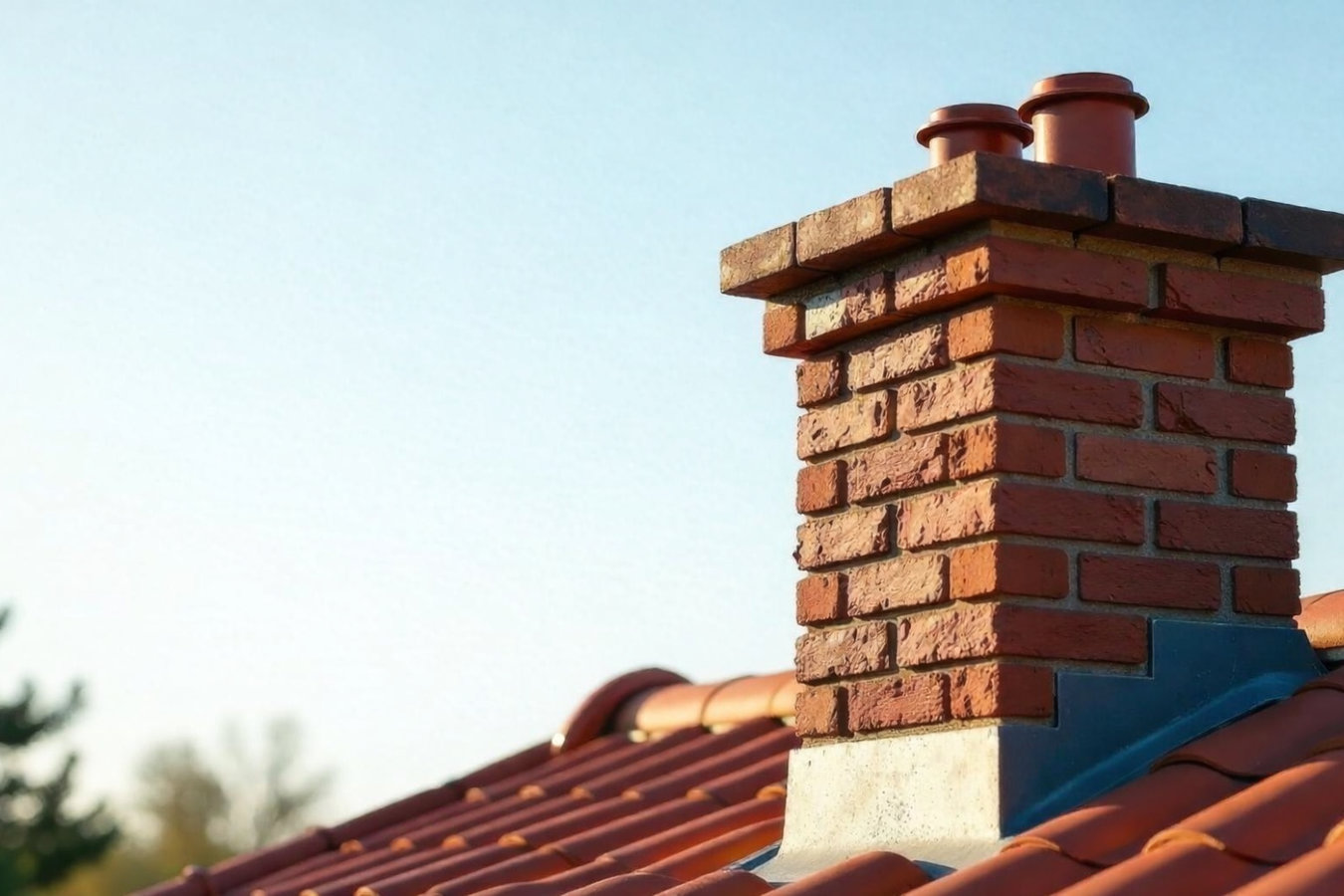
Most homes in Lomita were built in the 1950s and 1960s, and a good share of them have original brick chimneys that have never been repointed or had their crown replaced. The marine layer that rolls in from the coast a few miles away keeps chimney masonry damp for extended periods, and that recurring moisture is the primary driver of mortar joint failure and crown cracking on these older stacks. Our chimney repair work ranges from simple crown patching and tuckpointing on chimneys that are structurally sound to partial or full stack rebuilds where the masonry has deteriorated past the point of repair.
Brick and block mortar joints on Lomita homes from the 1950s and 1960s are at or past the end of their service life on most properties that have not had masonry work done in the last 20 years. The coastal moisture in the area works into recessed or soft joints and begins breaking down the masonry behind them - slowly at first, then faster once water has penetrated the core. Repointing deteriorated joints before that happens is one of the most cost-effective maintenance tasks for Lomita homeowners with older brick structures.
Lomita's single-family homes sit on small lots - most under 6,000 square feet - with concrete driveways that were often poured in the same era as the homes. That flatwork has gone through 50 to 70 years of South Bay clay soil expansion and contraction, and the cracking and heaving that result are visible on driveways throughout the older residential streets. Concrete paver installation over a properly prepared base is a practical replacement option, and individual units can be reset if soil movement causes future displacement.
Perimeter block walls on Lomita's small residential lots serve as property dividers and privacy barriers between closely spaced homes. Many of these walls were built at the same time as the homes and have spent 50 to 70 years in clay soil that expands and contracts with every rainy season. Walls that show horizontal cracking, visible lean, or widespread mortar failure need replacing before they shift further - particularly on shared property lines where a failing wall affects both neighbors.
Decorative brick elements on Lomita homes - chimney stacks, front garden walls, and entry steps - are subject to the same coastal moisture and clay soil stresses as the rest of the masonry. Spalled face bricks and crumbling joints are common on structures from the 1950s and 1960s that have never had brick work done. Isolated brick replacement and joint repair, done before water penetrates the core, keeps these structures functional and prevents the wider failures that follow water damage.
The front walkways and back patio paths on Lomita homes from the postwar era are often original concrete that has heaved, cracked, or settled unevenly from decades of clay soil movement beneath them. Uneven walkways are a trip hazard and a property maintenance issue, and patching is rarely a lasting fix on flatwork this age. New walkway construction with a stabilized aggregate base addresses the root cause rather than covering it over with a patch.
Lomita is a small, independent city of roughly 20,000 people covering just 1.87 square miles in the South Bay area of Los Angeles County. Almost the entire city is made up of single-family homes on small residential lots - postwar ranch homes and bungalows built predominantly between 1940 and 1970. Median home values in Lomita have reached the $700,000 to $750,000 range, which means a lot of real value is sitting on foundations, behind stucco walls, and in chimneys that are now 50 to 80 years old and have seen very little masonry maintenance since original construction. About 47 percent of housing units are owner-occupied, and homeowners in this city generally take care of their properties - which means when masonry work does come up, they want it done correctly.
The specific challenge for masonry in Lomita is the combination of coastal marine moisture and clay soil. Lomita sits a few miles from the coast, and the marine layer - low-lying fog that rolls in off the Pacific, especially in late spring and early summer - keeps masonry surfaces damp for extended periods. That recurring moisture works into mortar joints, accelerates carbonation and breakdown, and promotes surface spalling on brick and block. Underneath the homes, the clay-heavy soils common throughout the South Bay expand when winter rains saturate them and shrink when they dry out in summer. That seasonal movement cracks concrete driveways and walkways, shifts perimeter block walls, and stresses foundation masonry on a cycle that repeats every year. Masonry repairs that do not account for both factors will fail ahead of schedule.
Our crew works throughout Lomita regularly, and we understand the local conditions that affect masonry work here. When structural masonry projects require permits, we coordinate with the City of Lomita. Because Lomita is its own independent city rather than part of unincorporated Los Angeles County, permit requirements and inspection processes are handled directly through Lomita's city offices - something that matters when scheduling work that needs a sign-off before it can proceed.
The streets closest to Western Avenue - the main commercial spine running through the city - transition quickly to tight residential blocks where small ranch homes sit on modest lots. The neighborhoods near the Lomita Railroad Museum, one of the most recognized spots in the city, represent the kind of owner-occupied residential streets where homes have been cared for but where original masonry from the 1950s is overdue for attention. Blocks near the Torrance border to the north and the Harbor City line to the east share the same housing stock and the same masonry maintenance picture.
We also serve Palos Verdes Estates to the southwest and Torrance to the north, so if you have neighbors or family in those cities, we work across all three areas without a gap in coverage.
Call us or submit the estimate form. We respond to all Lomita inquiries within one business day and schedule a site visit at a time that works around your schedule.
We assess the masonry condition on site and provide a written line-item estimate. We identify any permit requirements upfront so cost and timeline are clear before any commitment is made.
We schedule the crew once materials are staged and any required permits are in hand. Most Lomita residential masonry jobs complete in two to five days, with morning starts timed to avoid heavy marine layer moisture on fresh mortar.
We clean the work area and walk through the completed job with you before leaving. If any question comes up after the project is done, reach out directly and we address it.
We serve all of Lomita and respond within one business day. No obligation - just a written estimate based on what we find on site.
(424) 738-4746Lomita is a small, independent city in the South Bay area of Los Angeles County, sitting between Torrance to the north, Carson to the east, and Harbor City to the south. Despite covering only 1.87 square miles, Lomita has its own city government, city hall, and building department - it is not part of the City of Los Angeles or unincorporated county territory. The city is best known locally for the Lomita Railroad Museum, which sits in the middle of a residential neighborhood and displays a restored 1902 steam locomotive alongside a replica Victorian train depot. Western Avenue runs through the city as its main commercial corridor, lined with the shops, services, and businesses that most residents use regularly.
Lomita's housing stock is almost entirely single-story ranch homes and small bungalows from the postwar era, built predominantly between 1940 and 1970 on modest lots under 6,000 square feet. Stucco exteriors are the norm, as they are throughout the South Bay. About 47 percent of units are owner-occupied, and the city has a reputation as a quiet, well-kept community where homeowners take property maintenance seriously. The nearby cities of Torrance and Palos Verdes Estates share a similar postwar residential character - homes from the same era, the same clay soil underneath, and the same coastal moisture working on masonry year after year.
Build strong retaining walls that hold soil and enhance your landscape.
Learn MoreBring aging masonry structures back to their original strength and beauty.
Learn MoreDesign and install fireplaces that become the centerpiece of any room.
Learn MoreAdd natural stone beauty to walls, facades, and architectural features.
Learn MoreConstruct solid concrete block walls for lasting privacy and security.
Learn MoreLay precise block foundations that support structures for decades ahead.
Learn MoreCraft custom outdoor kitchen structures built for cooking and entertaining.
Learn MoreDesign and build walkways in brick, stone, or pavers to complement any home.
Learn MoreInstall new brick walls with clean lines and enduring structural quality.
Learn MoreContact Palos Verdes Estates Masonry today for a written estimate. We serve all of Lomita, CA and respond within one business day.