
Loading...
Palos Verdes Estates Masonry has served Hawthorne since 2015, providing concrete block walls, brick repair, driveway flatwork, and tuckpointing for the city's postwar ranch homes and bungalows on small lots with clay soil and coastal marine air. We respond within one business day to every inquiry.
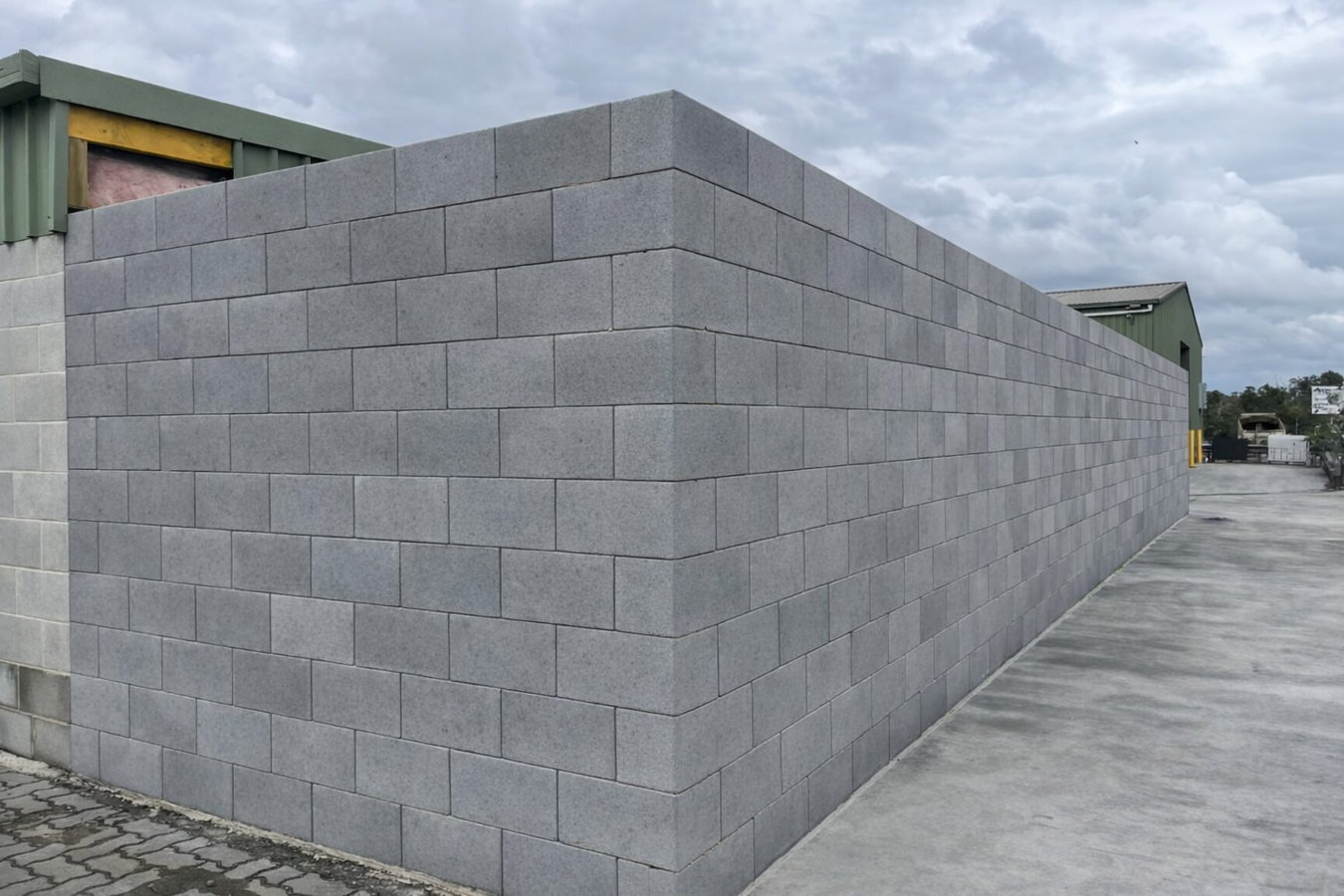
Hawthorne lots are small and houses sit close together, which means perimeter block walls do a lot of work separating properties, containing yards, and providing privacy on tight urban lots. Many of those walls are original to the postwar construction - now 50 to 80 years old - and show the cracking, shifting, and mortar failure that come from decades of clay soil movement. We build and rebuild concrete block walls with properly reinforced footings and drainage weep holes sized for the lateral soil pressure common in this part of the South Bay.
Hawthorne's postwar bungalows and ranch homes frequently have original brick chimneys that show spalling face bricks and deteriorated mortar joints after decades of coastal air exposure. The marine layer that rolls in off the Pacific keeps masonry surfaces damp for extended periods, and that recurring moisture is the main driver of face spalling and joint breakdown on brick chimneys and decorative garden walls throughout the city. Early repair prevents water from working into the chimney crown and firebox, which turns a maintenance job into a structural one.
Hawthorne's residential driveways are typically short and narrow - most lots barely accommodate a single-car garage approach - but they still take a beating from clay soil expansion and root intrusion from mature street trees. Original concrete driveways on homes from the 1950s and 1960s frequently show heaving and cracking that goes beyond patching. Concrete pavers installed over a stabilized base are a practical option for Hawthorne lots because individual units can be reset if soil movement causes future displacement.
Brick chimneys and decorative masonry walls on Hawthorne's postwar homes have mortar joints that are often at or past the end of their useful life. The dense urban layout of Hawthorne means homes shade each other and surface moisture lingers, which speeds up mortar carbonation and breakdown. Repointing deteriorated joints before water penetrates the masonry core protects the brick and prevents the more expensive repairs that follow water infiltration.
Some Hawthorne lots have grade changes in rear yards or along alley lines where older timber or unreinforced block walls have rotted or shifted. Clay soils here expand and contract with the seasonal rain cycle, and walls without adequate drainage relief fail under lateral pressure over time. We size new retaining walls to the actual soil conditions on site and install drainage behind the wall to relieve that pressure.
Homes built in Hawthorne during the postwar boom sit on slab or raised foundations that have now experienced 50 to 80 years of clay soil movement beneath them. Stair-step cracking at wall corners or horizontal cracking in perimeter foundation masonry are signs the movement has reached the structure. Addressing those cracks before the rainy season - when saturated soil puts maximum pressure on the foundation - keeps repair costs from escalating to structural remediation.
Hawthorne covers just under 6 square miles and packs in a dense mix of single-family homes, duplexes, and small apartment buildings, the majority of which were constructed between 1940 and 1970. At that age, the original masonry on these properties - chimneys, perimeter block walls, concrete driveways, and stucco-clad foundations - has gone through 50 to 80 years of the South Bay's wet-dry climate cycle without replacement. About 37 percent of Hawthorne housing units are owner-occupied, which means a substantial share of the city's homeowners have a direct financial stake in maintaining what they own. A home worth over $700,000 in today's market is worth protecting with timely masonry repairs - and Hawthorne homes have reached that value level in recent years.
The two main forces working against masonry in Hawthorne are clay soil movement and coastal moisture. The clay-heavy soils common throughout the Los Angeles South Bay expand when winter rains saturate them and shrink when they dry out in summer. That movement cracks concrete flatwork, shifts block walls, and stresses foundation masonry on a seasonal schedule that never stops. Hawthorne also sits about 4 miles from the Pacific Ocean, close enough that marine layer fog rolls in regularly, particularly in late spring and early summer. That recurring moisture keeps brick and block surfaces damp longer than inland cities, accelerating mortar joint breakdown and promoting efflorescence and surface spalling on older walls. A masonry contractor who does not account for both of these factors will produce repairs that fail ahead of schedule.
Our crew works throughout Hawthorne regularly, and we understand the local conditions that affect masonry work here. When structural masonry projects require permits, we coordinate with the City of Hawthorne Building and Safety Division. We know which project types require permits - new block walls, retaining walls over a certain height, and structural foundation work - and which cosmetic repairs proceed without one. That clarity prevents homeowners from being surprised mid-project by a stop-work order.
The neighborhoods north of El Segundo Boulevard and west of Prairie Avenue sit closest to the SpaceX campus on Jack Northrop Avenue, and the residential streets there have some of Hawthorne's denser lot configurations. Homes closer to the Hawthorne Memorial Center on El Segundo Boulevard and throughout the streets off Hawthorne Boulevard tend to be slightly larger ranch-style homes on modestly bigger lots. Across the city, from the neighborhoods near the 105 freeway to the blocks bordering Lawndale, the housing stock pattern is consistent: postwar construction, small lots, stucco exteriors, and original masonry that is overdue for attention. Working in tight side yards with limited equipment access is the norm here, not the exception.
We also serve Inglewood, which borders Hawthorne to the northeast and has a similar postwar housing profile, and Lawndale, which sits directly south. If you are near either city line, we are familiar with the masonry conditions on both sides of the border.
Contact us by phone at (424) 738-4746 or through the estimate form and describe what you are seeing - a cracked driveway, a shifting block wall, a chimney in poor shape. We reply within one business day to schedule an on-site visit.
We come to your Hawthorne property, assess the masonry condition in person, check access around the lot, and confirm whether a permit is required for your specific scope. You receive a written estimate before any commitment is made - no cost-surprise pricing mid-project.
Once you approve the estimate, we schedule the start date around your availability. On Hawthorne's small lots, we stage materials carefully to avoid blocking driveways or neighbors' access, and we keep the site clean throughout the project.
When the work is done, we walk through the finished project with you, explain any curing or settling timelines you should know about, and confirm that permits - where applicable - are properly closed out with the city.
We serve homeowners throughout Hawthorne and respond within one business day. No commitment required to get a written estimate.
(424) 738-4746Hawthorne is a city of roughly 88,000 people in the South Bay region of Los Angeles County, located just a few miles from Los Angeles International Airport and about 4 miles from the Pacific Ocean. The city borders Inglewood, Lawndale, El Segundo, and Gardena, and it sits at the center of one of the South Bay's most active residential zones. Hawthorne is perhaps best known today as the home of SpaceX, whose headquarters and main rocket factory sit on Jack Northrop Avenue on the west side of the city, and historically as the birthplace of the Beach Boys. The City of Hawthorne covers just under 6 square miles and is a dense, fully built-out urban area with very little open land remaining.
The housing stock in Hawthorne is overwhelmingly postwar construction from the 1940s through the 1970s, including single-story ranch homes, small stucco bungalows, duplexes, and four-unit apartment buildings on compact lots. Ranch-style homes are the most common type, typically 1,000 to 1,500 square feet on lots under 5,000 square feet. About 63 percent of housing units in Hawthorne are renter-occupied, which creates a steady mix of owner-occupied homes and landlord-managed properties both requiring masonry maintenance. Neighboring Gardena to the southeast and Torrance to the south share similar building stock and soil conditions with Hawthorne.
Build strong retaining walls that hold soil and enhance your landscape.
Learn MoreBring aging masonry structures back to their original strength and beauty.
Learn MoreDesign and install fireplaces that become the centerpiece of any room.
Learn MoreAdd natural stone beauty to walls, facades, and architectural features.
Learn MoreConstruct solid concrete block walls for lasting privacy and security.
Learn MoreLay precise block foundations that support structures for decades ahead.
Learn MoreCraft custom outdoor kitchen structures built for cooking and entertaining.
Learn MoreDesign and build walkways in brick, stone, or pavers to complement any home.
Learn MoreInstall new brick walls with clean lines and enduring structural quality.
Learn MoreCall us today or submit an estimate request - we serve homeowners across Hawthorne and respond within one business day. Postwar homes need regular masonry attention, and the sooner a repair is made, the less it costs.